


Facts and figures are current to 30 September 2026.
In 2024, Ghana recorded $38,901.83 in kente exports, according to the Ghana Export Promotion Authority. The cloth crowns kings, graduates and runway models around the world. Yet African Business estimates that Africa spends about $50 billion a year importing textiles, while earning about $15 billion from selling raw cotton.
Kente, kanga, boubou and ankara carry the look of a continent. So who gets paid for them?
What is the question?
African fashion is built on African cotton, skills and stories. So who owns the industry, and who keeps the money? The answer changes with each cloth. One is now legally protected. One began in the Netherlands. One relies on European fabric. One was printed mostly abroad until the 1950s. Following all four shows where ownership starts and stops.
What happened?
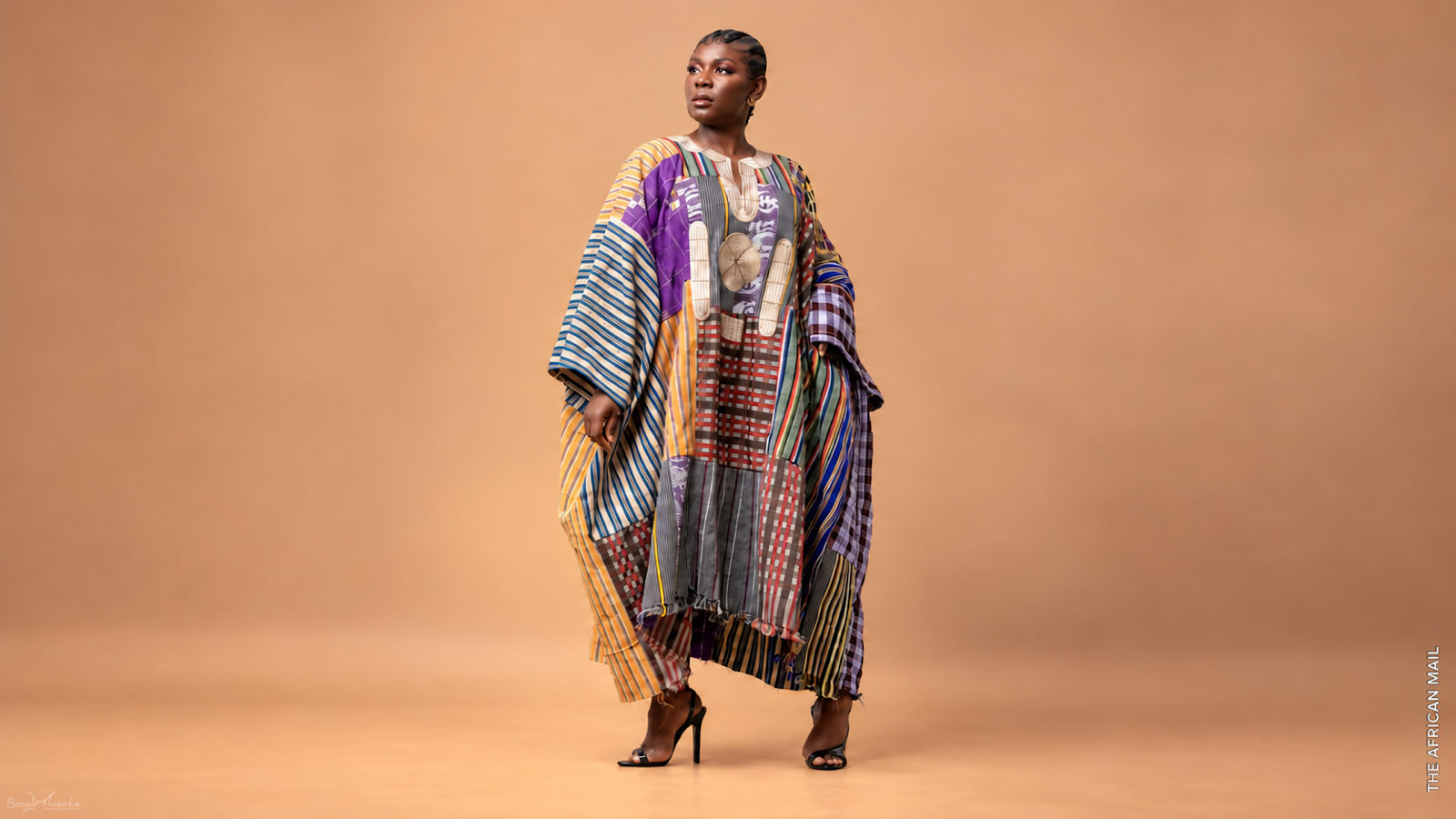
Kente is a Ghanaian cloth of narrow hand-woven strips of silk and cotton, sewn together. Asante oral tradition says it began in Bonwire, in the Ashanti Region, and it was once reserved for royalty. Ewe weavers in the Volta Region make their own version.
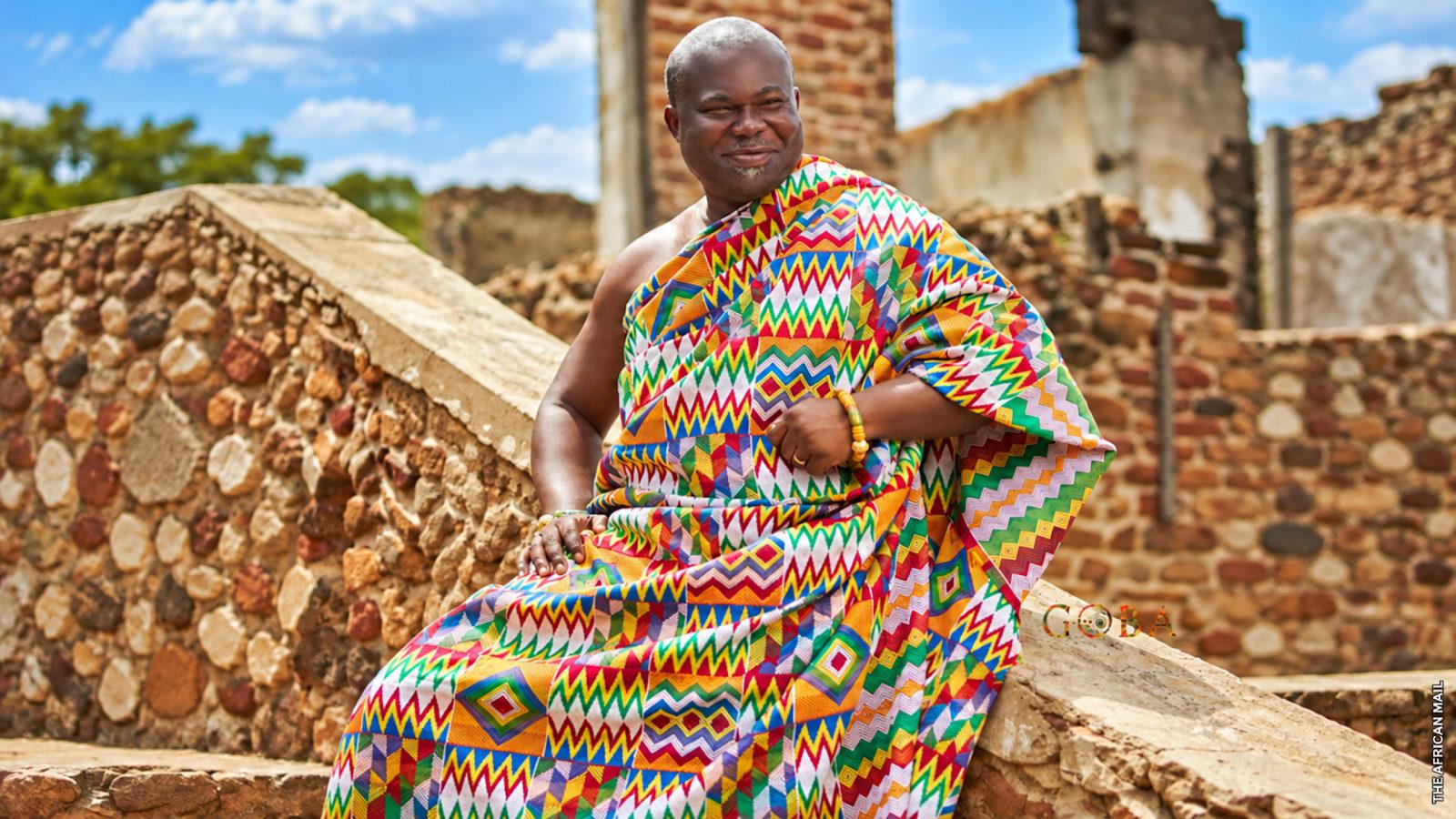
Kente worn wrapped and draped over one shoulder, the way men traditionally wear it.
The kanga is a printed cotton wrap about 1.5 metres by 1 metre, sold in pairs. Women, and sometimes men, wear it across East Africa's Great Lakes region. A border frames a central design, and many carry a Swahili proverb. The name means guinea fowl, after an early spotted pattern.
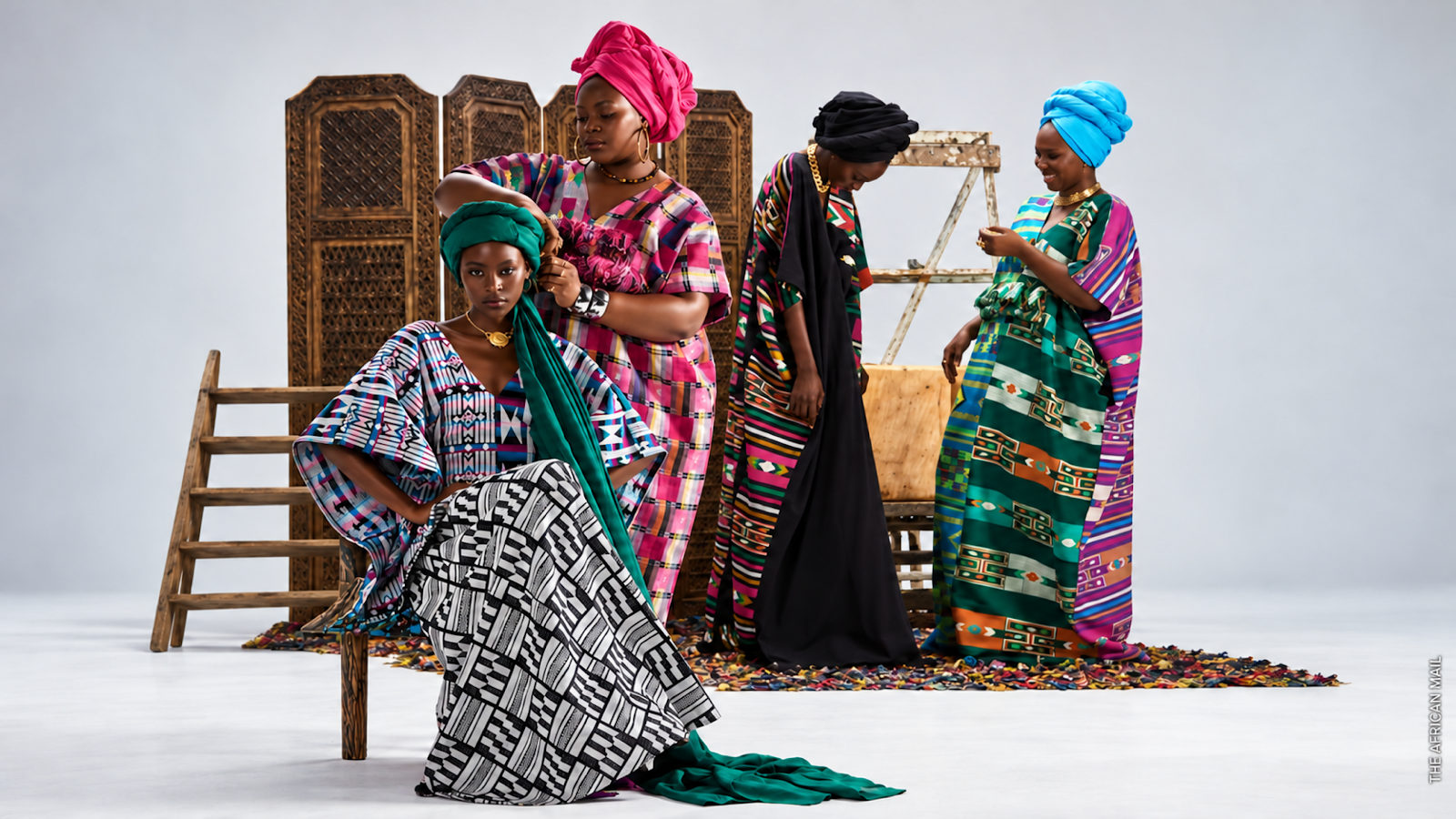
The boubou is a flowing, wide-sleeved robe worn across West Africa. Its name comes from the Wolof word mbubb. Men and women wear it to Eid prayers, weddings and funerals.
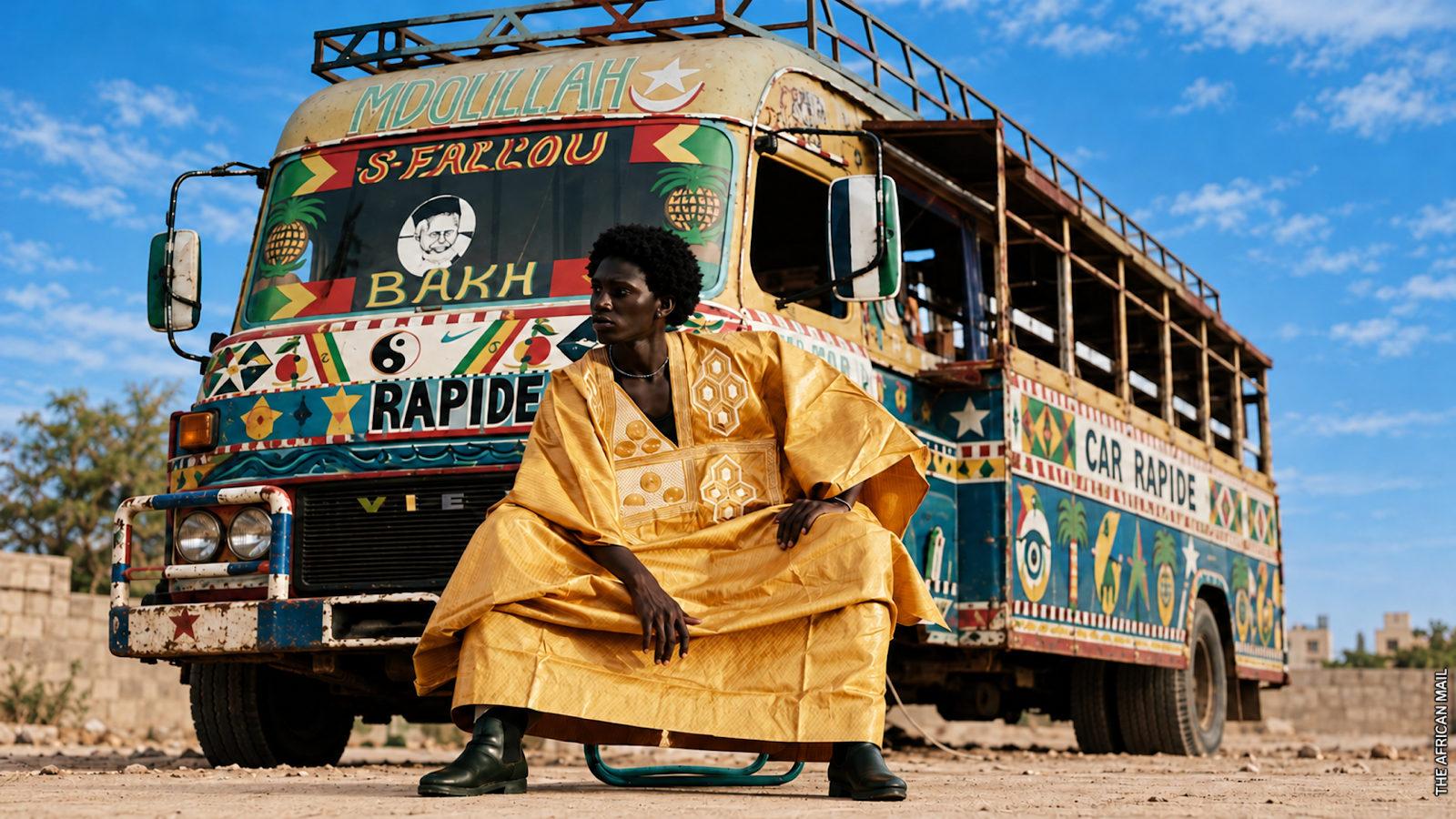
A grand boubou in dyed bazin, beside one of Dakar’s painted car rapide buses.
Ankara, sold as African wax or Dutch wax print, is the bold cotton print many people see as the essence of African style. Its story begins in Europe.
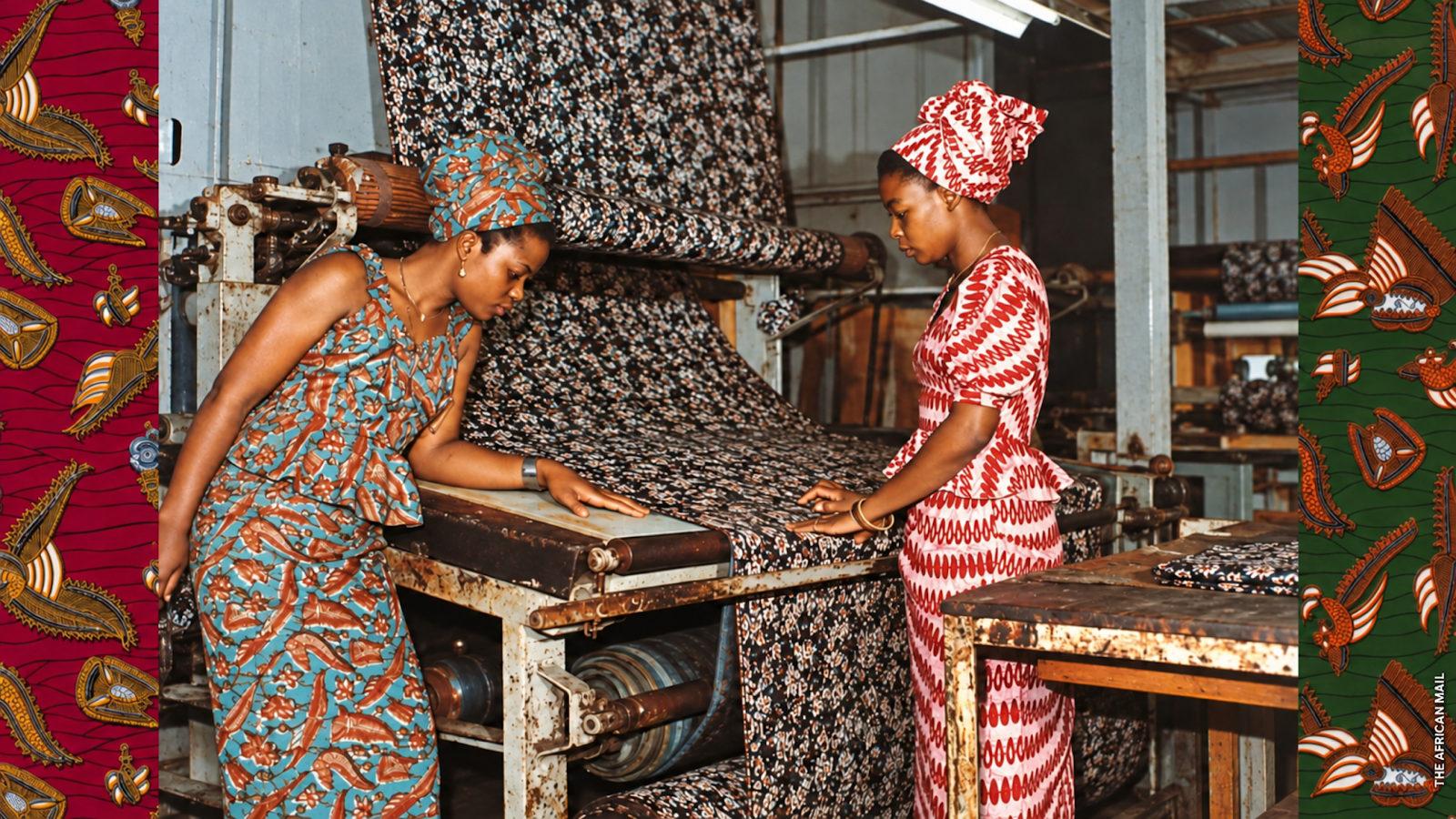
Printing wax cloth. Much of the trade’s value sits at the mill and with the brand.
Why does it matter?
Clothing is identity, and it is work. African Business notes that textiles powered industrial growth in Britain, the United States, China and Vietnam. When a cloth carries a community's meaning but someone else owns the mill, the brand or the design, the community keeps the pride and loses the wages. Ownership decides who gets jobs, export earnings and legal protection against copying.
Historical context
Kente. Historians say kente grew from older West African strip weaving. Asante tradition places its start in the 17th century. By the early 1700s, Asante weavers were unravelling imported silk and reweaving the threads into cloth for the royal court. Ewe weavers developed their own style, which was not limited to royalty.
Kanga. Portuguese traders brought printed cotton handkerchiefs called leso to the Swahili coast. Women stitched several together into a wrap. European printers then began printing large rectangles for that market, according to historian MacKenzie Moon Ryan. Until the mid-20th century, most kangas were printed in India, the Far East and Europe. Since the 1950s, some have been printed in Tanzania and Kenya.
Boubou. The robe descends from the clothing of Sahelian trading peoples. Museum curators say the style may date to at least the 8th century, and the spread of Islam in the 19th century carried it across the region. The name is a French rendering of the Wolof word, adopted in the colonial era.
Ankara. In 1846, Dutch industrialist Pieter Fentener van Vlissingen bought a factory in Helmond and began copying Indonesian batik by machine. Indonesian buyers rejected the flawed copies. The cloth found its market on the Gold Coast, now Ghana. One popular story credits West African soldiers returning from the Dutch colonial army. Historian Ineke van Kessel calls it a myth, because the soldiers were too poor to afford the cloth.
After independence, governments tried to bring production home. Ghana launched the Ghana Textiles Printing company in 1966 with a majority state stake. Nigeria and Ivory Coast opened mills too, and Nigeria had about 175 by the mid-1980s. Policy failures, counterfeits, poor infrastructure and a lack of local cotton pushed many printers out, Al Jazeera reported on 30 December 2023. Ghana Textiles Printing and Uniwax now belong to Vlisco.
How does it work?
Follow one piece of cloth. It starts on a cotton farm, then goes to a gin, a spinning mill for yarn, a weaver or printer, a designer and tailor, and finally a shop. Much of the profit sits at the mill, brand and retail ends. Africa's cotton mostly stops at step one. UNCTAD estimates that 70% of Africa's cotton exports leave as raw fibre, 12% as yarn and 18% as fabric.
Now separate two kinds of ownership. Cultural ownership belongs to the community that gave a cloth its meaning, such as Asante and Ewe weavers for kente. Commercial ownership belongs to whoever owns the mill, the brand, the trademark or the legal right to the name. The two can split. Ankara is culturally African but commercially Dutch, and increasingly Chinese. The finest boubou cloth, bazin riche, is woven in Austria, Germany or the Netherlands, then dyed by hand in Mali or Senegal and sewn by local tailors.
What does the data show?
Africa's 37 cotton-growing countries produce between 6.3 million and 8.5 million bales a year, about 7% to 10% of world output, African Business reported on 19 August 2026. The International Trade Centre says Africa sends 90% of its raw cotton to Asia and is a net importer of cotton fabric and yarn. Only about 10% of Africa's apparel exports move between African countries.
In Nigeria, the Textile Association of Nigeria said the industry once employed more than 350,000 people. The Tribune reported on 27 February 2026 that fewer than 20,000 remain. Kente exports recorded by Ghana rose from $6,256 in 2023 to $38,901.83 in 2024, a 522% jump from a very small base. Statista estimates Africa's apparel market revenue at $73.59 billion in 2025.
Chinese-made copies of African wax print sell for between a third and a tenth of the original price, Al Jazeera found in December 2023. Kenya was Africa's largest importer of second-hand clothes in 2023, allAfrica reported on 31 March 2025.
Who is affected?
Weavers feel it first. Emmanuel Kofi Atsisey, a weaver in Ziope, Ghana, says complex kente designs take four to six weeks to finish. Richmond Quarshie, a weaver in Agbozume, says he lacks the capital to start his own business and that imported thread is expensive. Both spoke to Bird Story Agency in August 2026.
Farmers and factory workers feel it next. Mali grows cotton but produced none of the bazin cloth it consumed, FashionNetwork reported in November 2015. Shoppers choose between costly originals and cheap copies.
What do experts say?
Perry Oosting, Vlisco's chief executive, told Al Jazeera that being copied keeps the company innovating. The Victoria and Albert Museum calls ankara a cloth rooted in trade monopoly that also became a channel for African agency.
George Elombi, president of Afreximbank, calls the pattern an anomaly: Africa grows cotton, exports it raw, then buys it back as a shirt at ten to fifty times the price. Godson Sena Adjavor, a Ghanaian textile consultant, says weavers pay high prices for imported yarn because Ghana lacks spinning capacity.
Wandia Gichuru, chief executive of Vivo Fashion Group, says African brands must win customers on quality and price, not only on origin.
What are the competing explanations?
Power and infrastructure. Mills need steady electricity. Wina Wax, a Togolese brand, designs in Lomé but manufactures in China because of power shortages, its founder told Jeune Afrique.
Imports and smuggling. Nigerian industry voices blame cheap imports, second-hand clothing and smuggling for the mills' collapse.
Colonial trade patterns. The V&A links ankara to overlapping colonial trade interests. In this view, generations of imported cloth built a market that local mills struggled to serve.
Capital and trade rules. Wina Wax's founder believes Uniwax and Ghana Textiles Printing were sold to Vlisco for lack of financing. African Business says a US trade rule that lets exporters use imported fabric has reduced the incentive to build local spinning and weaving.
Intellectual property. Kente's Geographical Indication covers only hand-woven cloth from registered communities. Vlisco tags its designs with QR codes, yet copies of printed cloth remain common.
Consumer demand. Shoppers choose on price. Gichuru says East Africans wear mostly European and second-hand clothing.
What changed?
Designers gained ground. In 2019, Thebe Magugu became the first African winner of the LVMH Prize, and Nigerian designer Kenneth Ize was a finalist. South Africa's Lukhanyo Mdingi won the LVMH Karl Lagerfeld Prize in 2021.
Kente gained legal protection. UNESCO inscribed kente weaving on its list of intangible cultural heritage in December 2024. Ghana granted kente protected status in August 2025, its first Geographical Indication, and launched it in Accra a month later. Cotton processing gained backing too. In 2024, Mali, Benin, Cameroon, Burkina Faso, Chad and Côte d'Ivoire launched the Partnership for Cotton with the World Trade Organization and UNIDO. It aims to lift local processing from 2% to 25% by 2035.
What has remained?
The gaps remain. Most African cotton still leaves as fibre, and weavers still buy imported yarn. Only about 2% of cotton in the six partnership countries is processed locally. Used and cheap imported clothing fill many markets. Trade access to the US remains uncertain: the African Growth and Opportunity Act lapsed in September 2025 and was extended to the end of 2026, African Business reported.
What does this mean today?
The next test is whether recognition turns into factories, thread and fair pay. The Partnership for Cotton began an implementation phase in March 2026, and Kaduna State reported plans in May 2026 to revive idle mills. Results will take years.
What should we understand from it?
African fashion has enormous cultural influence. But cultural recognition does not automatically bring ownership of production or economic value. Kente shows that a legal shield can protect a name. Ankara shows that a cloth can belong to Africa in meaning and to someone else in profit. The answer to who owns African fashion depends on where in the chain you look.



Comments
No comments yet. Be the first to share your thoughts.