

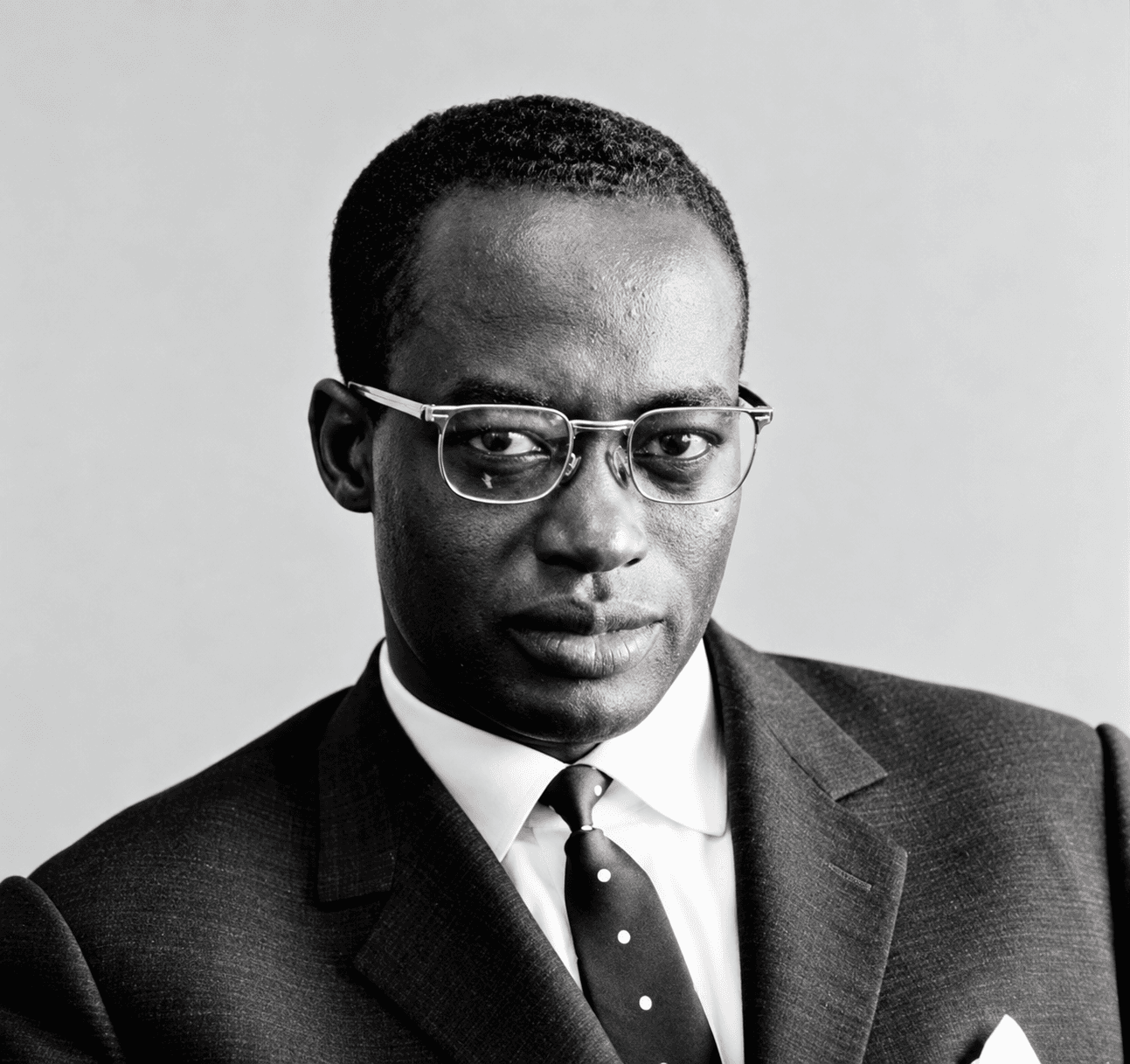
Sixty years after the Organisation of African Unity was founded, the African Union has a parliament, a peace council and the world's largest free trade area by membership. The first man to run Africa's unity machine learned how little power it had. The question he faced is still open.
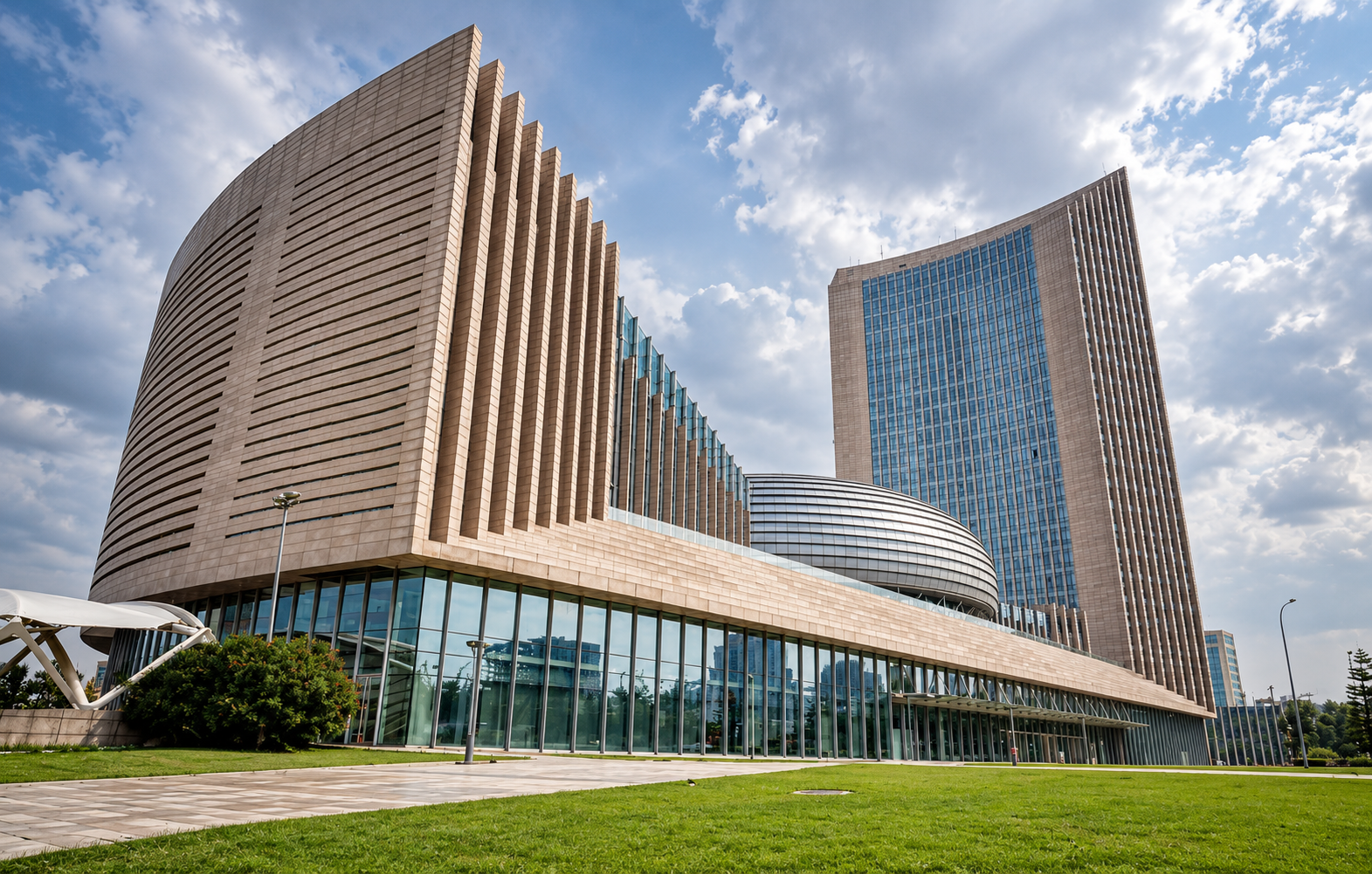
The African Union headquarters in Addis Ababa, seat of the AU Commission and the annual summit of 55 member states.
Source: Produced by Wang Guansen for Xinhua, September 2023, via Wikimedia Commons.
A continent with a headquarters
Every February, presidents and prime ministers from 55 member states gather at the African Union headquarters in Addis Ababa. The AU runs a Commission, a Peace and Security Council, a Pan-African Parliament and a fifty-year development plan, Agenda 2063. Its flagship trade deal, the African Continental Free Trade Area (AfCFTA), has now been ratified by 50 countries.
None of this existed in 1963. That year, 32 newly independent states founded the Organisation of African Unity (OAU) in the same city. Before they could build an institution, they had to decide what African unity should mean.
One of the men asked to make that decision work in practice was Boubacar Diallo Telli, the OAU's first full Secretary-General. His job exposed a tension the continent has never fully resolved. Africa wanted unity, and its new states also wanted to stay sovereign.
The real question
Few African leaders in the 1960s opposed unity. The harder question was how much authority governments would hand to a body they could not fully control.
That is the difference between political unity as an idea and political integration as an institution. A continent can share a history of colonial rule, common diplomatic goals and a strong sense of identity, and still lack any machinery that turns a collective decision into action inside each country. Telli's career, and the institutions that followed him, sit in that gap.
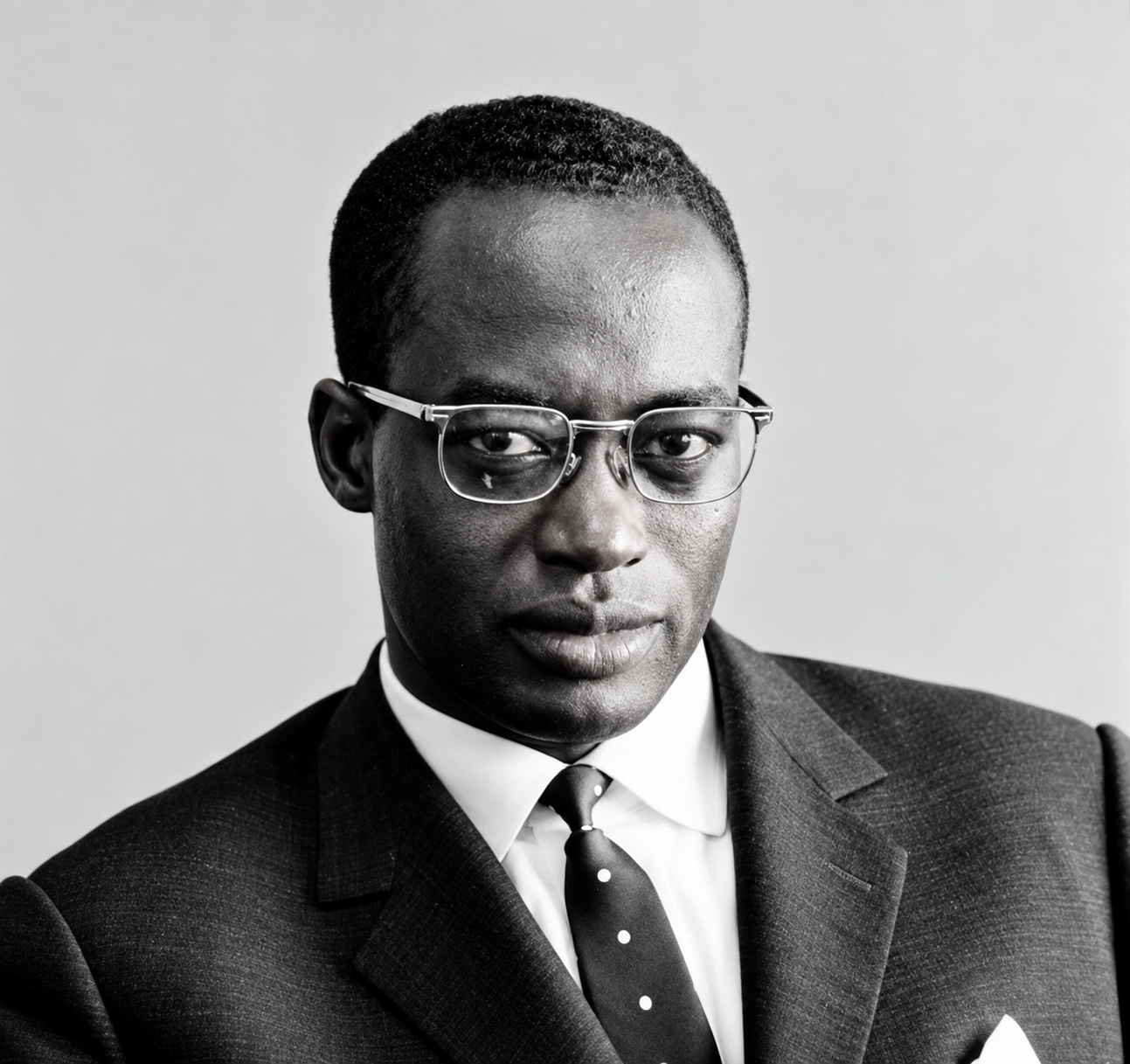
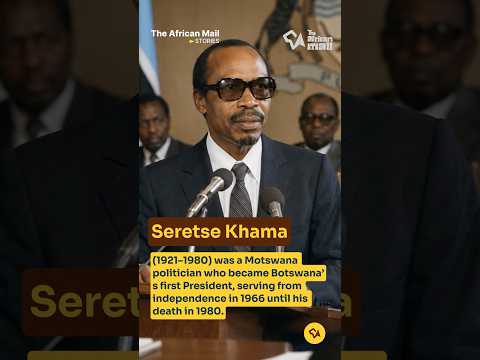
Boubacar Diallo Telli (1925-1977), Guinea's first ambassador to the United Nations and first Secretary-General of the Organisation of African Unity, produced on 1st August 1964.
Source: UN Media Archives.
Who was Diallo Telli?
Telli was born in 1925 in Poredaka, in the Fouta Djallon highlands of what was then French Guinea. He studied law in Paris, earning his degree in 1951 and a doctorate in private law three years later, and trained for the colonial service at the Ecole Nationale de la France d'Outre-Mer.
He came back to West Africa as a deputy public prosecutor in Thies, Senegal, in 1954. By 1957 he was secretary-general of the Grand Council of French West Africa in Dakar.
When Guinea voted for immediate independence in 1958, Telli became its ambassador in Washington and its permanent representative at the United Nations. In 1962 he was elected a vice-president of the UN General Assembly. In April 1963 he became the first chairman of the UN Special Committee on apartheid. In July 1964, OAU leaders meeting in Cairo elected him Secretary-General, a post he held until 1972.
He then returned home and served as Guinea's justice minister under Ahmed Sekou Toure. On the night of 18 to 19 July 1976 he was arrested and accused of leading a so-called Fulani plot. His "confessions" were broadcast that August. Survivors and his biographer, the French diplomat Andre Lewin, say they were extracted under torture.
He died in Camp Boiro prison in Conakry. Jeune Afrique's account dates his death to the morning of 1 March 1977; other sources say February. Lewin's biography and survivor accounts say he was put on the "diete noire", deprived of food and water until he died. Guinea's government never published an account, and there was no public trial.
Why unity mattered, and why it was hard
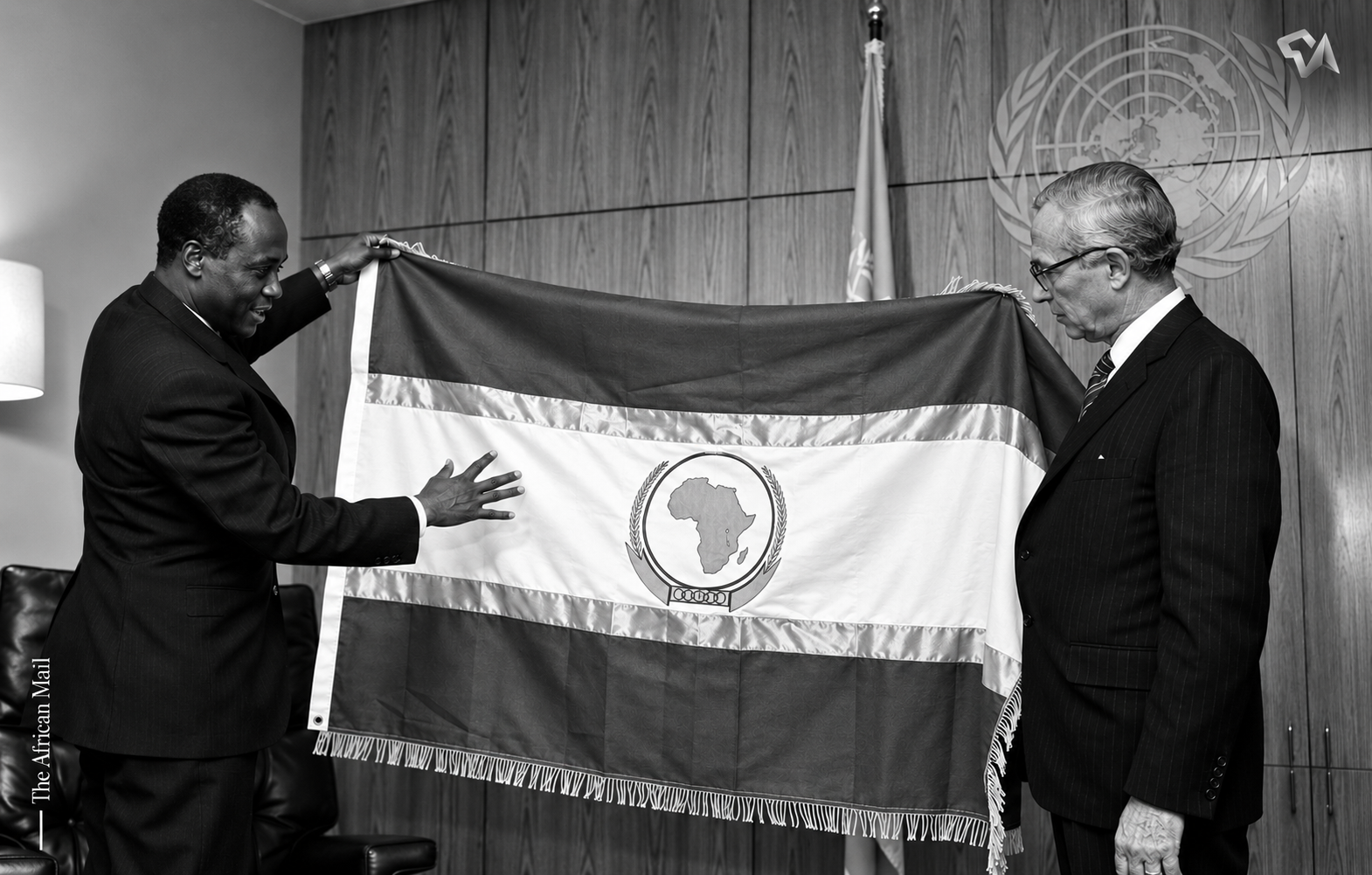
Diallo Telli presenting the OAU flag to the UN secretary general on 26th October 1970.
Source: UN Media Archives.
The OAU Charter set out clear goals: promote unity and solidarity, coordinate cooperation, defend the sovereignty and territorial integrity of members, and eradicate colonialism.
For small, new states, acting together promised a louder voice at the UN, leverage against former colonial powers and the superpowers, and support for movements still fighting colonial and white-minority rule.
Yet every one of those gains depended on governments cooperating beyond their national interests. The same Charter that proclaimed unity also committed members to non-interference in each other's internal affairs.
Two roads to one destination
Independence came fast. Between 1957 and 1963, more than 30 African states won their freedom, most inside borders drawn by Europeans. Economies stayed tied to former colonial capitals, and the Cold War pulled governments toward Washington or Moscow.
Leaders split over how far to go. Ghana's Kwame Nkrumah, with Guinea and others in the so-called Casablanca group, argued for a continental government with a common defence and economic plan. A larger Monrovia group favoured gradual cooperation between fully sovereign states.
This was not simply radicals against moderates. Rivalries and alliances crossed both camps, and all sides spoke the language of Pan-Africanism, the older intellectual movement for the solidarity of African peoples. The OAU that emerged in 1963 was a compromise, closer to the Monrovia model than to Nkrumah's union government.
How the machinery works
Three kinds of authority explain the story.
A national government can pass laws and enforce them directly.
An intergovernmental organisation depends on member states for its money, decisions and implementation.
A supranational body can exercise some authority independently of its members.
The OAU was firmly intergovernmental. Power sat with the Assembly of Heads of State and Government. The Secretariat Telli led could administer and coordinate, but it could not command.
The AU, launched in Durban in 2002, added institutions aimed at specific weaknesses. The AU Commission has a stronger executive mandate. The Peace and Security Council, set up in 2004, handles crises the OAU could not touch. The Pan-African Parliament gives citizens a continental assembly, though it remains advisory. Eight recognised Regional Economic Communities, including ECOWAS, SADC and the East African Community, act as building blocks for integration. The AfCFTA targets the old gap between political rhetoric and economic reality.
What the numbers show
The OAU began with 32 members in 1963. The AU has 55. The harder test is whether collective decisions now produce results.
Trade is the clearest measure. The AfCFTA was signed in Kigali in 2018, and trading under its rules formally began in January 2021. By September 2026, 50 of 54 signatories had ratified it, according to the tralac trade law centre. But ratifying is not trading. South Africa's trade ministry reported in March 2026 that only 25 countries, counting the Southern African Customs Union, had gazetted their tariff schedules, the step that lets goods actually cross at AfCFTA rates. Afreximbank expects intra-African trade to reach about 16 per cent of the continent's total trade in 2026, compared with an average of 15 per cent in recent years.
Money tells a similar story. The 2017 reform report led by Rwanda's Paul Kagame found that donors funded 97 per cent of AU programmes, and that only 25 of 54 member states had paid their 2016 assessments in full. The AU had already decided, at its Kigali summit in July 2016, that members should fund the Union through a 0.2 per cent levy on eligible imports from outside Africa.
Who is affected?
Governments gain a collective platform, but must balance continental commitments with domestic politics.
Citizens feel the results through prices, border delays, jobs and security. A trader crossing between Nigeria and Benin, or a student hoping to study elsewhere on the continent, meets African integration at a checkpoint rather than a summit.
Businesses need predictable rules of origin, customs procedures and payment systems before a single market becomes real. Regional communities sometimes move faster than the AU and sometimes overlap with it. Civil society groups press continental bodies for accountability, and the AU formally recognises the diaspora as a sixth region of Africa.
What experts say
Historians broadly agree the OAU's design reflected its moment. For governments only a few years old, protecting borders and sovereignty looked like survival.
Its record on liberation is widely credited. South Africa's presidency, in the citation for the national order it awarded Telli, credits him with a leading role in isolating the apartheid regime diplomatically.
Critics focus on what non-interference allowed. The OAU stayed largely silent as governments abused their own citizens, and Uganda's Idi Amin chaired it in 1975.
On the AU, analysts at the South African Institute of International Affairs (SAIIA) have noted that external partners funded between 60 and 90 per cent of its projects and peace operations in recent years. They also report that resistance from some members led to the import levy becoming voluntary rather than compulsory, a sign of how hard it remains to make states pay for the institution they created.
Competing explanations
Four explanations recur, and they overlap.
Sovereignty. A body built to protect its members' independence will struggle to act against any of them.
National interest. Governments with different economies, security threats and alliances find it hard to agree, even when all support unity in principle.
External influence. Cold War rivalries, former colonial ties and a global economy that pulled African trade outward narrowed the choices available.
Capacity. The Kagame report itself listed a "crisis of implementation", overdependence on partner funding and an unclear division of labour between the AU Commission, regional communities and member states.
What changed with the African Union
The AU marked a real shift in priorities, from decolonisation toward development, from defending sovereignty toward integration, and from diplomatic coordination toward security mechanisms.
The clearest change is legal. Article 4(h) of the AU Constitutive Act gives the Union the right to intervene in a member state in cases of war crimes, genocide and crimes against humanity. The OAU had no such power. In 2023 the AU also joined the G20 as a permanent member.
What remains
Yet the underlying tension survived the redesign. The Pan-African Parliament cannot make binding law. Continental decisions still depend on national ratification and enforcement. Military takeovers in Mali, Burkina Faso and Niger led to their suspension from the AU, and the three governments have since formed their own Alliance of Sahel States.
What it means today
Agenda 2063 envisions an integrated, prosperous and peaceful Africa, with a single market, continental infrastructure, free movement of people and a stronger global voice.
The gap between vision and institution shows up in the details. The AU's Protocol on Free Movement of Persons, adopted in 2018, needs 15 ratifications to take effect. According to the Africa Visa Openness Index, it has four, and the most recent came in 2019.
Readers tracking African integration should watch a short list of indicators:
whether states implement what they sign,
whether the AU pays for itself,
whether intra-African trade grows as a share of the total, and
whether member states accept continental decisions they dislike.
The unfinished architecture
Diallo Telli belonged to a generation building continental institutions while their own states were still being born. The sovereignty independence had won was the same sovereignty that made integration hard.
The OAU was one answer, and the AU is another. Neither has settled the underlying question, because it turns on design, incentives, money and enforcement more than on identity or speeches.