


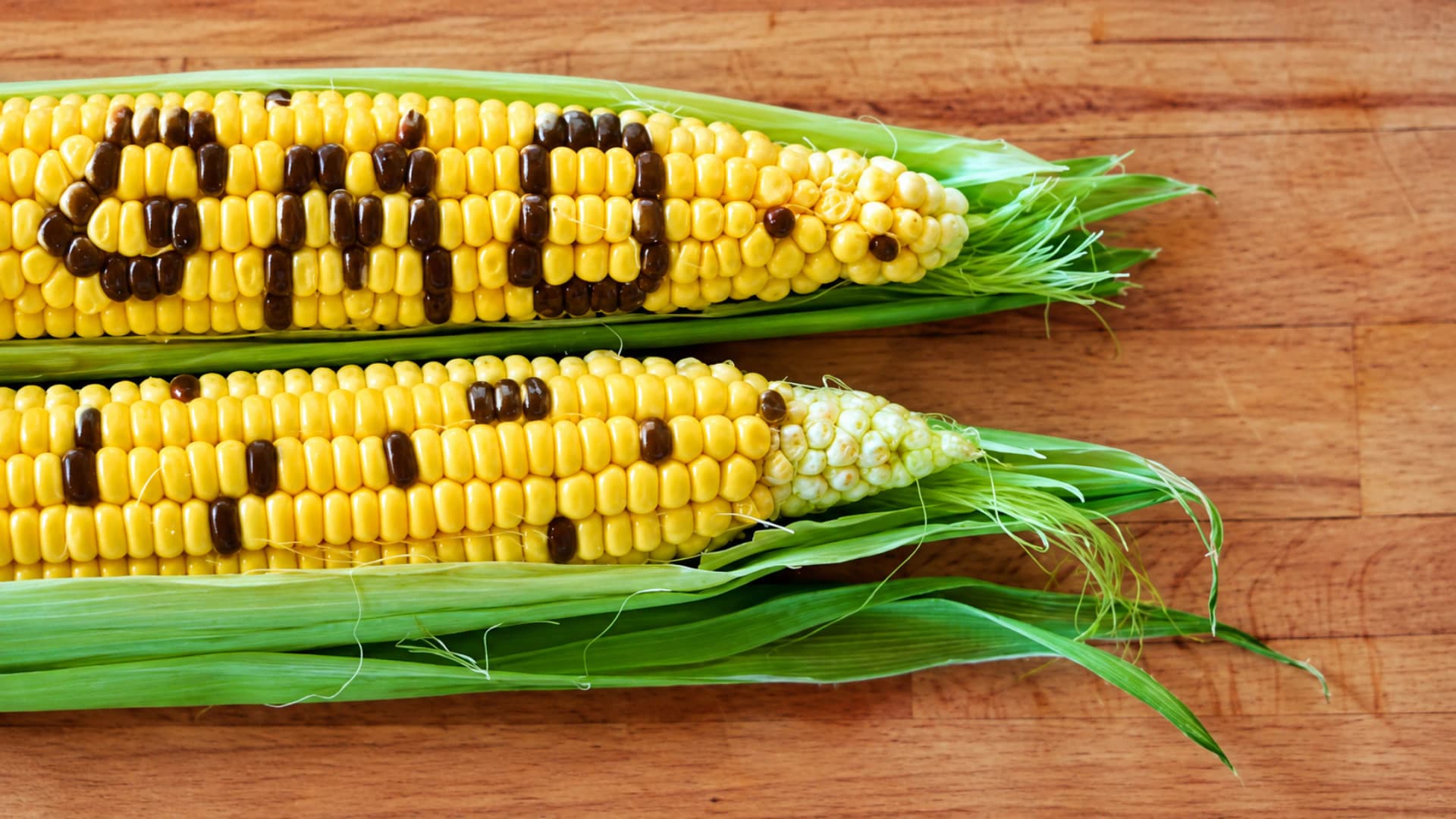
2002, Zambia rejected US maize that was likely to contain genetically modified grain during a severe food crisis. South Africa, its neighbour, had already spent more than a decade building a regulatory system for genetically modified crops and was planting them commercially.
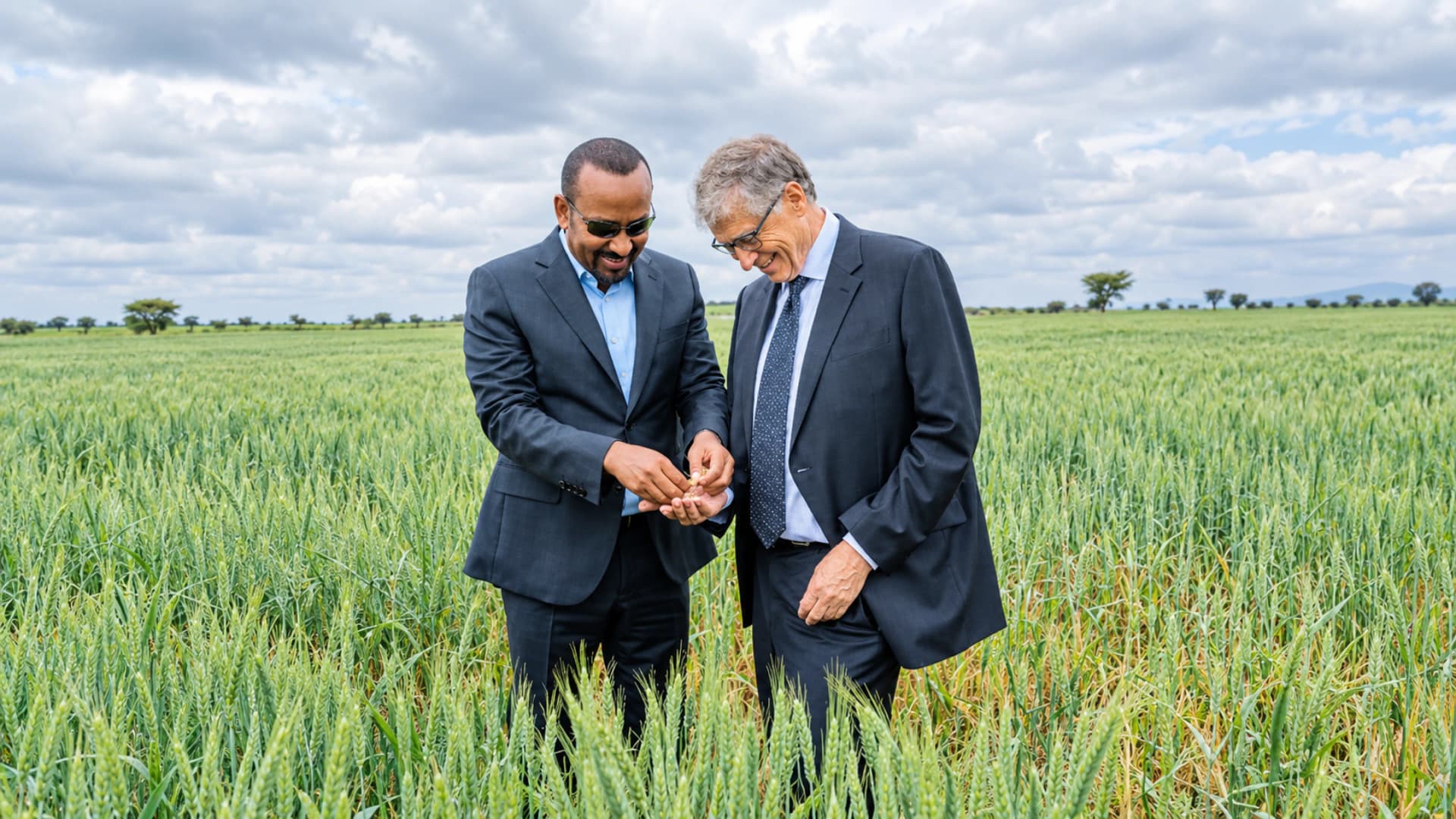
Twenty-four years later, the two countries offer very different models. South Africa has become Africa’s largest commercial grower of genetically modified crops, while Zambia has built biosafety laws, a national regulator and laboratory capacity without allowing GM crops to be cultivated. Other countries in the region have taken positions somewhere between the two.
The history suggests that the debate is about much more than whether genetically modified seeds work. The outcomes depend on regulation, markets, credit, farmer support, resistance management, trade and the ability of governments to assess the technology for themselves.
The biggest unanswered question may be whether countries have built the institutions needed to manage genetically modified crops over decades, rather than simply approve them once.
The maize that became a national argument
Southern Africa’s food crisis in 2002 created one of the most consequential biotechnology debates on the continent.
Two poor rainy seasons had produced successive harvest failures. In Zambia, the Food and Agriculture Organization estimated that about 2.9 million people, roughly a quarter of the population, needed food assistance. At the same time, the United States was supplying maize as humanitarian aid. Some of that grain was genetically modified or was believed likely to contain genetically modified material.
Zambia’s President Levy Mwanawasa refused the grain. His government argued that it did not have the scientific and regulatory capacity to establish what risks the maize might pose. A delegation of Zambian scientists and officials travelled abroad to examine the issue, and the government ultimately maintained its refusal under the precautionary principle.
The decision had consequences. Hungry Zambians eventually broke into a warehouse in Southern Province and removed thousands of bags of maize that the government had rejected. Contemporary reporting put the number at about 4,600 50-kilogram bags.
There was also an economic dimension. Zambia’s then vice-president, Enoch Kavindele, argued that accepting and planting GM maize could threaten access to European markets. Contemporary reporting recorded concerns that Zambia’s agricultural exports could be affected by the presence of GM crops.
The episode therefore involved several questions at once: food safety, environmental risk, scientific capacity, agricultural policy and international trade.
A technology, not a single product
“GM” describes a method rather than one particular crop or trait.
Farmers have altered crops through selection and breeding for thousands of years. Modern genetic engineering allows particular genes to be introduced or altered more directly. One important example is Bt technology.
Bacillus thuringiensis, or Bt, is a soil bacterium that produces proteins toxic to certain insect larvae. Conventional Bt products have long been used as biological insecticides. In Bt crops, the relevant gene is incorporated into the plant so that the plant produces the insecticidal protein itself.
That distinction matters because the risks and benefits of a GM crop depend on the particular crop, trait, environment and farming system. A drought-tolerant crop raises different questions from an insect-resistant one. A food crop raises different commercial and regulatory questions from cotton.
This was part of Zambia’s problem in 2002. The country was being asked to make a decision before it had the institutions and laboratories needed to assess the technology independently.
South Africa had started preparing years earlier
South Africa’s experience followed a very different path.
The country established the South African Committee on Genetic Experimentation, known as SAGENE, in 1979. The committee provided scientific guidance on genetic engineering and biosafety. By 1989, South Africa was permitting open-field experiments involving genetically modified crops.
The country’s first commercial GM crops followed in the late 1990s. South Africa approved insect-resistant cotton and maize in 1997, and Bt maize entered commercial production shortly afterwards. The GMO Act was passed in 1997 and came into effect in 1999.
Bt white maize was subsequently commercialised for human consumption. Because white maize is a staple food in South Africa, this moved the debate beyond animal feed and export crops and directly into the national food system.
The timing created an unusual historical contrast. South Africa’s regulatory machinery had begun under apartheid, while many of the most consequential commercial decisions were made after the transition to democracy. The new government inherited an institutional framework that it continued to use and develop.
Makhathini showed both the promise and the limits
One of the most closely studied African examples of GM agriculture came from the Makhathini Flats in KwaZulu-Natal.
Smallholder farmers began adopting Bt cotton in the late 1990s. Early independent research found higher output and lower insecticide costs, with the increase in revenue outweighing the additional cost of the seed in the period studied.
That evidence became an important reference point for advocates of biotechnology across Africa.
The longer story was more complicated.
Later research found that Bt cotton could provide economic benefits under the right conditions, while also showing that those benefits depended heavily on the wider production system. Farmers still needed reliable rainfall, credit, inputs, buyers and functioning markets. A two-year study found that the economic gains were modest and that Bt cotton did not by itself produce a sustainable socioeconomic transformation in the area.
The subsequent decline of cotton production in Makhathini reinforced a broader lesson: seed performance cannot be separated from the system surrounding the seed.
A farmer can have a variety that performs well in the field and still lose money if credit disappears, a buyer collapses or weather conditions change.
Evolution does not stop when the technology works
South Africa also provided an early warning about another problem.
Bt maize was introduced to control pests such as the African maize stem borer, Busseola fusca. Farmers were expected to maintain refuge areas of non-Bt maize. The purpose was to preserve susceptible insects that could mate with resistant insects and slow the evolution of resistance.
Resistance nevertheless emerged.
Research published in 2011 confirmed resistance in Busseola fusca populations associated with the Vaalharts area. The first reported field resistance to MON810 Bt maize in South Africa had been identified around Christiana in 2007.
This did not demonstrate that Bt maize had stopped working everywhere. It demonstrated that biological systems adapt.
The implication is important for any country adopting insect-resistant crops. The regulatory decision does not end when the seed is approved. Refuge requirements, farmer education, monitoring and extension services become part of the technology’s useful life.
Resistance can also spread beyond the farm where it first develops. Once a pest population evolves resistance, neighbouring farmers can face the same problem.
Zambia built capacity instead
Zambia eventually responded to the weakness that had shaped its 2002 decision.
The country adopted a national biotechnology and biosafety policy in 2003 and passed the Biosafety Act in 2007. The legislation established the National Biosafety Authority and gave it responsibility for risk assessment, authorisation and monitoring of genetically modified organisms and products.
Zambia also invested in laboratory capacity. A molecular biology laboratory at the National Institute for Scientific and Industrial Research was developed with Norwegian support, including funding for equipment and scientific training.
That changed the nature of the country’s position.
Zambia was no longer simply saying that it lacked the ability to assess GMOs. It was building that ability.
And the country’s position today is more nuanced than the image of an outright permanent ban suggests. In November 2024, Zambia’s National Biosafety Authority told members of parliament that GMOs are permitted when the authority determines that they are safe for humans, animals and the environment under the 2007 Biosafety Act.
GM products have received market authorisations, while commercial cultivation of GM crops has remained absent.
The region chose different paths
Southern Africa has not produced a single regional answer.
South Africa remains the dominant GM crop producer. A 2026 review estimates about 2.74 million hectares of GM crops are cultivated there annually.
Malawi approved Bt cotton for commercialisation after field trials, while Eswatini approved Bt cotton for environmental release in 2018. Mozambique has conducted confined field trials involving maize, including work connected to drought and insect resistance. Zimbabwe has conducted GM crop trials but had not commercially released a GM crop as of the latest regional review.
There is a striking pattern in these decisions. Outside South Africa, commercial adoption in this part of the continent has largely centred on cotton.
Cotton is politically easier to introduce than a staple food crop. Consumers do not eat the fibre, farmers generally produce it for a commercial market, and governments can frame the technology around yields, pest control and export earnings.
Maize is different. It sits at the centre of the regional food system, making questions about food safety, seed saving, trade and consumer acceptance much harder to separate.
Who has benefited?
The evidence is uneven.
South Africa’s commercial farmers have adopted GM maize, soybeans and cotton at very high rates, indicating that many farmers have found the technology economically useful under their production conditions. Recent estimates put GM cultivation at roughly 2.74 million hectares annually.
The picture for smallholders is less clear. Makhathini demonstrated early benefits, yet those benefits did not translate into a lasting transformation of the area’s cotton economy. The available research leaves important questions about the long-term trajectory of the households involved.
Consumers have also been part of the experiment, often without much awareness of it. South Africa introduced its first GM food labelling regulations in 2004. Later consumer-protection rules changed the framework again.
Seed companies have gained access to a substantial commercial market. At the same time, much of the technology used in South African commercial crops originated outside the country, even though local research institutions have contributed breeding and biotechnology research.
The questions that remain
The Southern African experience has generated nearly three decades of real-world evidence, but some of the most important questions remain difficult to answer.
How effectively are non-target organisms being monitored over decades? How much of the economic value generated by GM agriculture stays with farmers and local economies? How long can insect-resistance traits remain effective under actual farming conditions? How well do refuge requirements work when extension services are weak?
A 2026 review of African biosafety systems highlights the uneven development of post-release monitoring across the continent. South Africa has the longest commercial experience, but long-term monitoring remains an important regulatory challenge.
The contrast between Zambia and South Africa therefore tells a larger story.
South Africa demonstrated that genetically modified crops can become deeply embedded in a national agricultural system when regulation, markets and commercial farming capacity support adoption. Zambia demonstrated a different kind of capacity building: a government that initially refused a technology because it could not independently assess it, then built institutions to conduct those assessments.
Neither experience settles the broader debate.
The important question for countries considering the next generation of agricultural biotechnology is less whether they should automatically say yes or no. It is whether they have the scientific institutions, regulatory systems, farmer support, market infrastructure and long-term monitoring needed to live with the decision after the first seeds are planted.
That is the part of the experiment that is still underway.








Comments
No comments yet. Be the first to share your thoughts.